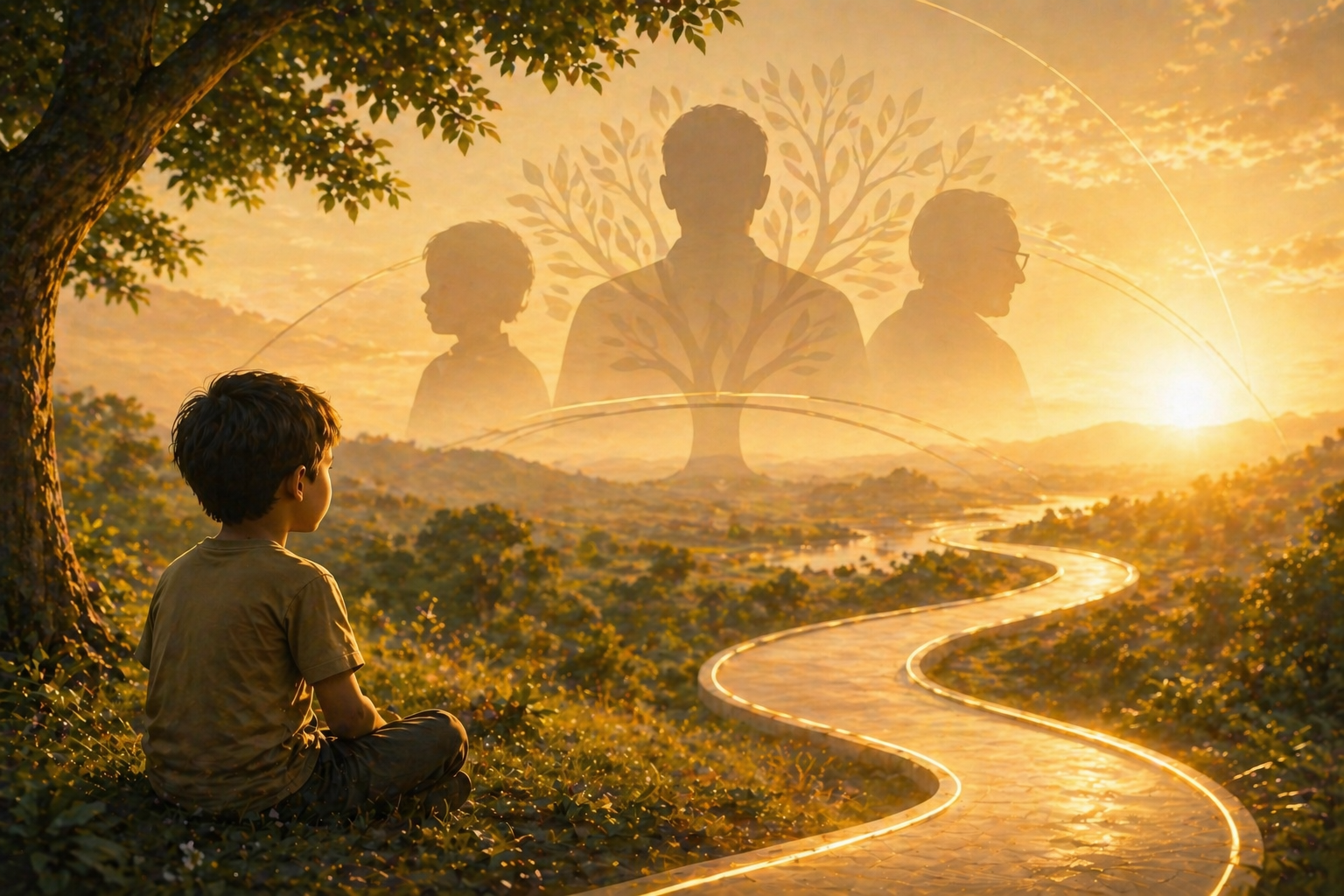
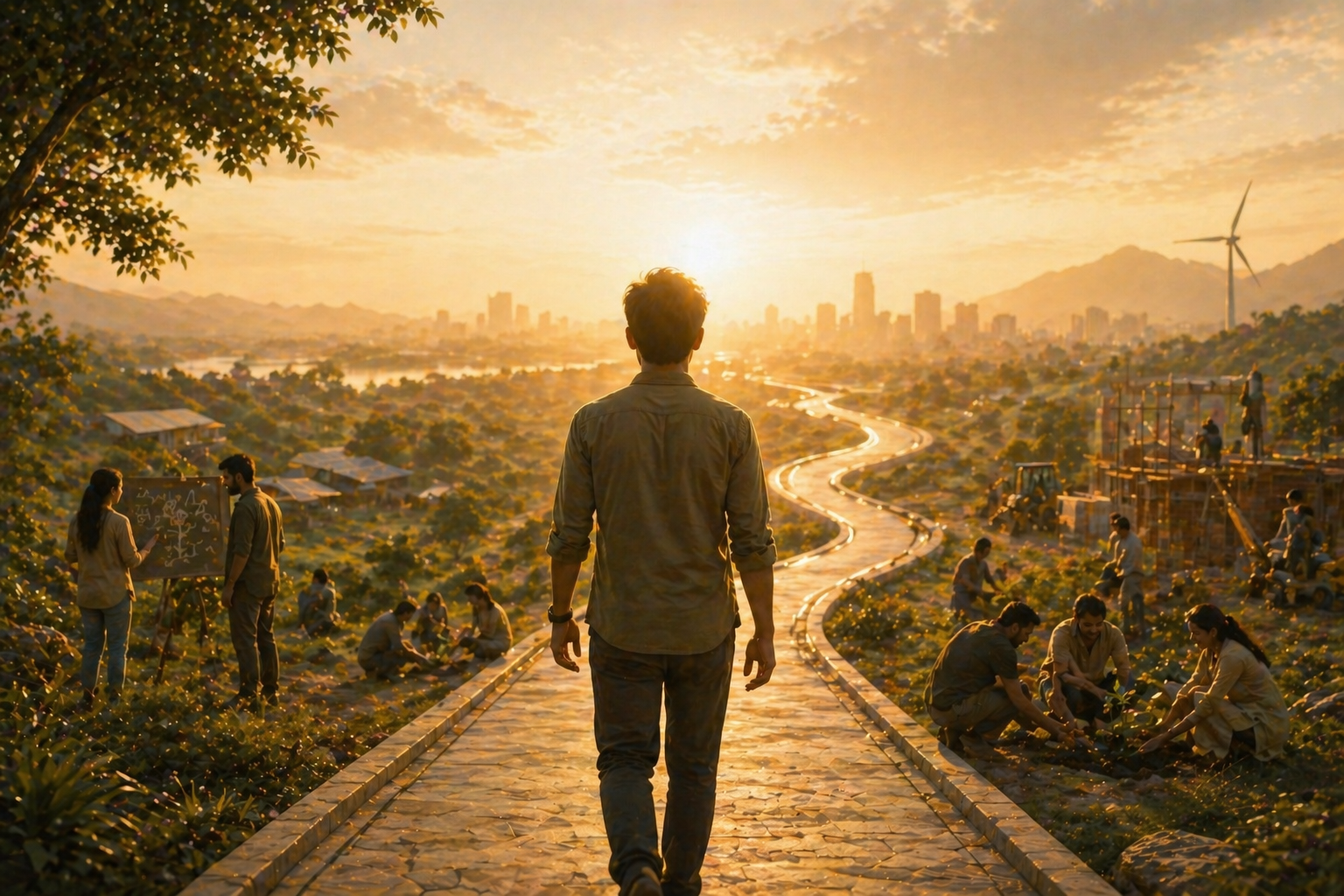
A society does not begin in one generation, nor does it end in another. What is lived, understood, and carried forward determines whether a culture strengthens or slowly fades
CHILDREN
The youngest generation does not shape systems directly, but it absorbs everything it encounters. What is seen becomes normal, what is experienced becomes truth, and what is repeated becomes behaviour. When cooperation is visible in everyday life—within families, in conversations, and in shared responsibilities—it settles naturally within them, forming the base upon which their understanding of society will stand.
ELDERS
The present generation carries the most active role in shaping society. It is here that understanding must translate into action, where awareness must reflect in decisions, relationships, and responsibility. Every individual, through their daily conduct, contributes to the environment others experience, and when inner clarity aligns with outward action, systems begin to stabilise naturally without force or instruction.
CITIZENS
The older generation carries the depth of lived experience, holding within it both what has been built and what has been lost. When this experience is shared with openness and without rigidity, it becomes guidance that strengthens continuity; when it is imposed, it creates distance. Their role lies in offering perspective, allowing the next generation to move forward with clarity while remaining connected to what truly matters.